Guest contributor: 02 April 2020
As little as a month ago, the threat of coronavirus seemed remote. It was merely an interesting story on the ‘World News’ page of the BBC website. If someone had predicted then the situation we are in now, we would have laughed disbelievingly. How could a way of life as established as ours possibly be reduced to tatters?
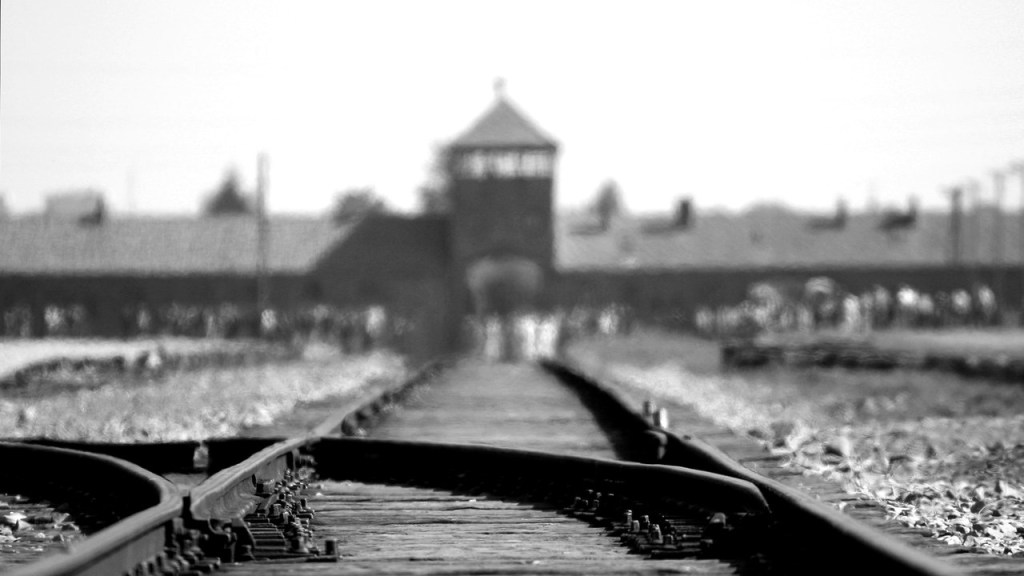
When a major crisis rips apart the fabric of normal existence, it usually is unforeseeable. In his harrowing book, ‘Night’, Holocaust survivor Elie Wiesel reveals the scepticism that prevailed within Jewish communities prior to the arrival of German soldiers. In his little Hungarian town of Sighet, they gave little credence to the rumours coming through about Hitler: ‘Annihilate an entire people? Wipe out a population dispersed throughout so many nations? So many millions of people! By what means? In the middle of the twentieth century!’ Indeed, when the foreign Jews were removed from the town first, and one escaped and came back to report the Gestapo atrocities he had witnessed, the Jews of Sighet all thought he had lost his mind.
In the middle of the first millennium B.C., it was equally unforeseeable that disaster could engulf Judah’s capital. ‘The kings of the earth did not believe, nor any of the inhabitants of the world, that foe or enemy could enter the gates of Jerusalem’ (Lam. 4:12). Yet enter those gates the Babylonians certainly did, plunging the city into meltdown. ‘Those who once feasted on delicacies perish in the streets; those who were brought up in purple embrace ash heaps’ (Lam. 4:5). The basic structures of Jerusalem life that once seemed unalterable had unravelled in a moment.
All of this throws light on the final, world-ending crisis of which the Bible speaks. God ‘has promised, “Yet once more I will shake not only the earth but also the heavens”‘ (Heb. 12:26). Is that easy to envisage? No. ‘The end of all things’ (1 Pet. 4:7) seems a surreal prospect more worthy of a Hollywood script than of serious contemplation. But both history and our present circumstances teach us not to be deceived by an event’s unforeseeableness. If, out of the blue, a virus can appear from China and immobilise half the planet, why should we doubt that the Son of Man can suddenly appear from heaven and dismantle the cosmos?
Let us make sure, then, that we are ready for that event. Let us not be among the ‘scoffers’ who say, ‘All things are continuing as they were from the beginning of creation’ (2 Pet. 3:3-4). When suddenly it bursts onto the scene, ‘the great day of…wrath’ (Rev. 6:17) will dwarf all the unforeseeable calamities that preceded it – from the fall of Jerusalem to the rise of Covid-19. Let us make sure we are nestling safely in the arms of ‘Jesus who delivers…from the wrath to come’ (1 Thess. 1:10). And, if we are, let us reflect with gratitude that those arms can hold us secure because they were once stretched out along a wooden beam. Jesus can shelter us from the unbearable fury of the Almighty because once he was exposed to its full onslaught.
 salann