The Editor: 31 March 2020
In recent days there’s been a small but growing pushback against the Government’s response to the coronavirus.
It started with commentators like Peter Hitchens – not a man who’s famed for his love of the modern Conservative party – thundering about the suspension of civil liberties under emergency coronavirus legislation.
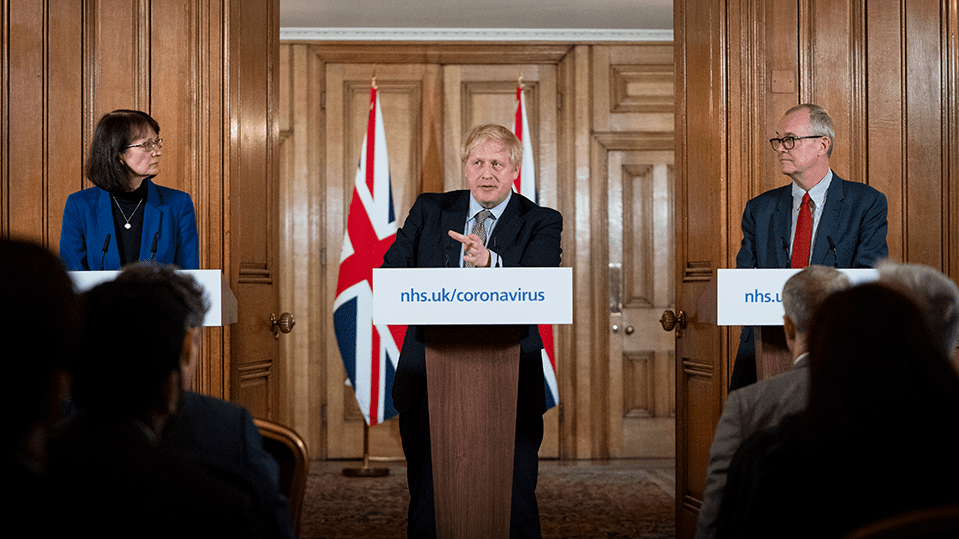
The idea, Hitchens says, that UK citizens should simply roll over and accept every measure the Government puts in place, including home arrest, strict social distancing and the wholesale suspension of certain industries is preposterous. People should not abdicate their basic freedoms on the say so of ‘Al Johnson’ and his two scientific experts.
Hitchins argues that the effect of the Government’s measures to mitigate the spread of coronavirus will be financial and social devastation, potentially for years to come. The Government has begun significant spending of money they do not have to pay people’s salaries and fund emergency measures. In doing so they are going to mount up a significant debt which gets bigger with every passing day. That debt will limit public spending on structures like the NHS for an indefinite period of time, hitting the most vulnerable.
The Mail Online journalist also points to evidence from other scientific sources that the mortality rate associated with the coronavirus is not as high as certain elements of the media maintain.
In the last three days, publications like The Spectator have joined him in questioning the accepted science on COVID-19. In this article Dr John Lee, a recently retired professor of pathology and a former NHS consultant pathologist, applies criticism not so much to the Government but the scientists whose data they have acted on:
“Governments everywhere say they are responding to the science. The policies in the UK are not the government’s fault. They are trying to act responsibly based on the scientific advice given. But governments must remember that rushed science is almost always bad science. We have decided on policies of extraordinary magnitude without concrete evidence of excess harm already occurring, and without proper scrutiny of the science used to justify them.”
The unease that these commentators are expressing is based on a suspicion that our authorities in the UK have overreacted to the virus. Could it be the case that they have cracked down on freedoms and risked ruining the economy on the basis that the virus could kill tens of thousands of people when, in fact, it will only seriously affect around as many people as other, less virulent strains of the flu?
A friend of mine was seriously ill with flu-like symptoms at the end of last year. Is it possible that COVID-19 has been spreading in the UK since last year, and that most people have already had it, albeit with mild symptoms. If this is the case, it would imply that the measures in place today are, perhaps, too onerous, especially given the manifold risks they pose for the country going forward.
Dr Lee puts it well: “The moral debate is not lives vs money. It is lives vs lives. It will take months, perhaps years, if ever, before we can assess the wider implications of what we are doing. The damage to children’s education, the excess suicides, the increase in mental health problems, the taking away of resources from other health problems that we were dealing with effectively. Those who need medical help now but won’t seek it, or might not be offered it. And what about the effects on food production and global commerce, that will have unquantifiable consequences for people of all ages, perhaps especially in developing economies?”
Yesterday Lord Sumption, a former Justice of the UK Supreme Court, also joined criticism of the response. The legal expert suggested that police forces are acting in a needlessly authoritarian manner, treating the public harshly for any perceived transgression of the new social distancing rules. The police, he says, should be “civilians in uniform”, not “members of a disciplined hierarchy operating just at the Government’s command”. This interview on BBC Radio 4 is worth a listen.
All of these questions are extremely important and politicians are having to grapple with them day by day. To be fair to Boris Johnson and other UK leaders, it is an impossible dilemma. Do you take the severe steps that other countries are taking, and which the public are demanding, in order to tackle COVID-19? Or do you take a different approach and risk misjudging the severity of the situation, only to be hounded out of office by an electorate that feels like you didn’t do enough?
The evidence around the globe shows that there have been tens of thousands of deaths associated with the virus and this should not be diminished in the debate around political responses towards it. In this crisis countless families are feeling pain, sadness and loss and will do for years to come.
If nothing else, all of this is a reminder that our political leaders need prayer. In Germany, it is reported that a Finance Minister took his own life out of fear that his administration’s actions would cripple the economy. Our leaders are under great strain and they need our support. Scrutiny is important, and criticism too. But it should be tempered with understanding and respect. Time will tell whether our leaders judged this crisis right.
 salann